Conestoga Farms Eggs Review: Fresh, Local Ontario Eggs
Start shopping for Conestoga Farms eggs on autopilot with Tre'dish. Premium Ontario free-run and free-range eggs with golden yolks, delivered weekly.

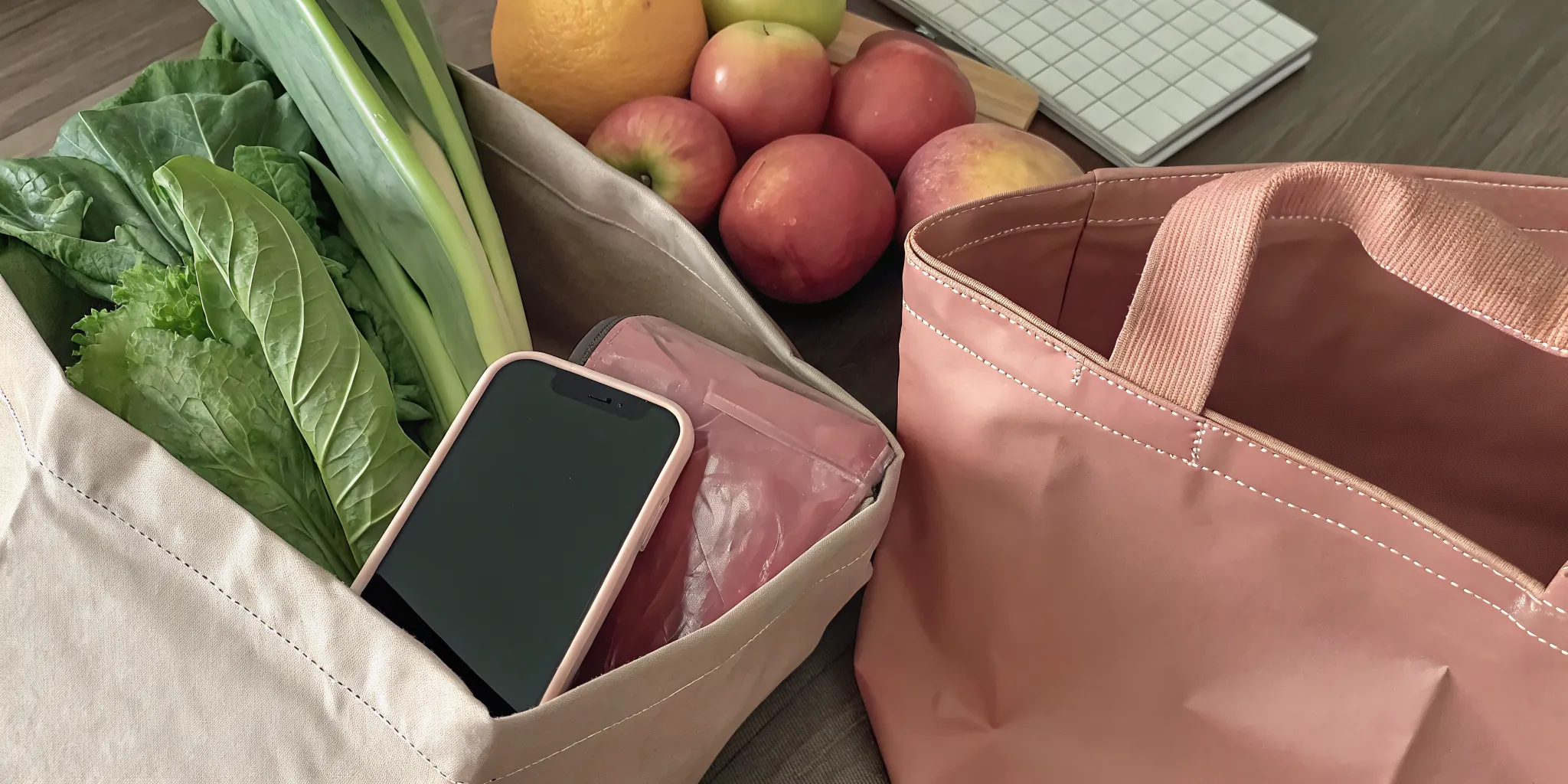
Choosing between recurring grocery delivery and an on-demand marketplace can change more than how food reaches your door. It can shape how often you plan, how much time you spend rebuilding a cart, and how easy it is to predict the week ahead. In a grocery delivery vs Instacart Canada comparison, the key question is not simply which service delivers faster. It is which model fits the way your household shops.
Instacart connects customers with participating local stores for orders placed when they are needed. A recurring direct grocery service such as Tre'dish takes a different approach. It lets you build an editable weekly or bi-weekly routine, so staple groceries can arrive without starting from scratch each time. Neither model is best for every order. This guide compares fees, substitutions, quality, flexibility, and total weekly effort so you can choose with confidence.
The clearest difference is the job each model is designed to do. An on-demand marketplace is useful when you want products from a specific participating retailer or need an order soon. Recurring direct delivery is built to make routine grocery buying more predictable.
| Factor | Recurring direct grocery delivery | Marketplace ordering |
|---|---|---|
| Planning style | Maintains an editable recurring basket | Order is usually built when needed |
| Best use | Regular household staples and planned shops | Urgent needs and retailer-specific orders |
| Timing | Set weekly or bi-weekly rhythm | Available times vary by retailer and location |
| Costs | Designed for clearer recurring spend | Fees, item prices, tips, and offers may vary |
| Substitutions | Depends on the direct service's product process | Depends on store stock, preferences, and shopper communication |
| Assortment | Curated range from the delivery provider | Access to participating local retailers |
| Best fit | Households that want groceries on autopilot | Households that value on-demand store choice |
Think of marketplace delivery as a flexible errand service. You choose a participating store, build an order, select replacements, and arrange delivery. That is valuable when plans change or you want a brand sold at a certain retailer.
Recurring delivery acts more like a household system. Once the core basket is set, you review it rather than recreate it. Tre'dish customers can skip, modify, or cancel orders, which keeps the routine flexible instead of locking every week into the same list.
With Instacart, customers shop from participating retailers available in their area. Product selection, prices, available delivery windows, and other order details can vary by retailer and location. A shopper may pick and deliver the items, with the customer able to set replacement preferences or respond to updates.
This model gives you broad retailer choice and can solve an immediate need. It also means each order may call for active decisions. You may compare stores, rebuild a cart, review the delivery time, and watch for replacement messages.
A direct recurring service sells and delivers its own offered range rather than acting as a marketplace between you and many stores. The goal is to make a normal grocery week easier to repeat. You choose what belongs in your household basket and adjust it as needs change.
Tre'dish positions this as putting high-quality groceries on autopilot. Customers can select weekly or bi-weekly delivery and then skip, modify, or cancel. There is no subscription fee; customers pay for the products they order. That structure suits people who want a dependable base shop while keeping control.
You do not have to use only one model. A recurring order can cover the milk, eggs, produce, pantry items, and other basics your household uses often. A marketplace order can fill an urgent gap or bring an item from a specific store.
The hybrid approach works best when each service has a clear role. Without that line, it is easy to duplicate items or make several small orders that add cost and effort.
Comparing grocery costs takes more than looking at a delivery charge. The true weekly total can include product prices, service or delivery fees, tips, minimum-order rules, promotions, memberships, and the time spent managing the order. Always review the current checkout total and terms before buying.
For an Instacart order, available stores and charges can vary by retailer, location, timing, basket, and current terms. Product prices may not always match the physical store. Promotions can lower a total, while fees and an optional tip can raise it. The result may be convenient but can require a fresh review each time.
That does not make the model poor value. Paying for speed and access can be worthwhile when an order saves an urgent trip. It does mean the fairest comparison is the full checkout total, not a single advertised fee.
A recurring basket can create a steadier baseline. When many of the same staples arrive on a set rhythm, it becomes easier to see what the household uses and what the normal shop costs. You can then remove waste, change quantities, or skip a delivery before it arrives.
Tre'dish says its baskets save customers about 25% on average. Savings will depend on the actual products and alternatives compared, so treat that figure as an average rather than a promise for every item. Tre'dish does not charge a subscription fee, and customers pay for products.
Time has value, even when it does not appear on a receipt. Rebuilding a cart, checking several stores, monitoring replacements, and placing extra top-up orders can take part of an evening. A recurring basket can reduce that repeated work.
The best value is the model that controls both spend and effort for your household. Compare a full month rather than one unusually large or urgent order.
Substitutions are one of the biggest sources of uncertainty in online grocery shopping. The right choice depends on whether you want live control over each replacement or prefer a more stable, curated range.
In a marketplace order, availability depends on the selected store's stock when the shopper arrives. Customers may be able to approve replacement choices, select a preferred substitute, or request a refund. The exact experience can vary with the retailer, item, shopper, and current platform features.
This interaction is helpful when you care deeply about a certain size or brand. It also asks you to stay available while the order is being shopped. If you miss a message, the final outcome may differ from what you expected.
Direct recurring delivery works from the provider's offered range. A smaller, curated selection may mean less store-level variety, but it can also reduce the number of choices required to complete a routine shop. For many households, dependable staples matter more than browsing every version of an item.
Before choosing any service, check how it handles unavailable products, refunds, and changes. A clear policy matters more than assuming substitutions will never occur.
No delivery model can guarantee that every tomato, loaf, or carton will be perfect. Quality depends on sourcing, handling, storage, store conditions, item selection, and the journey to your door. The model influences who makes those choices and how consistent the process feels.
Marketplace ordering gives customers access to participating retailers they may already know. If you trust a certain store's produce or bakery, ordering from it can feel familiar. A shopper's judgment also plays a part when picking fresh food, and preferences can help guide that choice.
The trade-off is variation. Stock and quality can differ by store, day, and item. A clear replacement note, such as requesting firm avocados or no substitute for a key ingredient, can improve the result.
A direct provider manages the range it offers and the path those products take through its own system. Tre'dish emphasizes high-quality groceries and works with Canadian farms and producers where relevant. That approach is designed for customers who want convenience without treating quality as an afterthought.
A curated range will not offer every product from every store. Its value comes from making a dependable set of groceries easy to repeat. If supporting Canadian-made products and local producers matters to your household, review the source details as you build the basket.
A useful choice begins with your normal week, not an ideal one. Review how your household actually shops, including urgent top-ups, repeated staples, changing meal plans, and the time available to manage orders.
This model is a strong fit when your household buys a reliable group of staples and wants a clear delivery rhythm. It is also useful when repeated planning feels like a burden. The ability to modify, skip, or cancel keeps the routine responsive.
A marketplace is a strong fit when retailer choice, urgent delivery, or a specific item matters most. It can also help households whose needs change so much that a recurring core basket would rarely stay useful.
The grocery delivery vs Instacart Canada decision is really a choice between two kinds of convenience. Marketplace delivery helps you outsource a store trip when a need arises. Recurring direct delivery helps prevent the repeated trip and repeated cart-building from taking over the week.
If you enjoy choosing among participating retailers and often need groceries on demand, Instacart may fit well. If you want a dependable weekly or bi-weekly basket, a direct recurring service may reduce more effort over time. Many households can use both, with one serving as the routine and the other as backup.
Tre'dish is built for the routine side of that equation. It aims to provide high-quality groceries, predictable delivery, and fair, transparent value without a subscription fee. You can start shopping for your recurring basket or create an account to put your next grocery week on a simpler track.
Instacart is a marketplace that connects customers with participating retailers rather than one grocery store with one product range. Available retailers, products, prices, timing, and order terms can vary by area.
That depends on the provider. Tre'dish lets customers skip, modify, or cancel orders, so a weekly or bi-weekly rhythm does not mean accepting groceries that are not needed.
An on-demand marketplace is often the more natural fit for an urgent order from an available participating retailer. Delivery options depend on location, retailer, demand, and current availability.
Recurring direct delivery is designed for repeat needs and can make weekly planning more predictable. A saved, editable basket can reduce the work of starting a full grocery order from scratch.
Yes. A household can use recurring delivery for dependable staples and a marketplace for urgent or retailer-specific needs. Clear roles help prevent duplicate purchases and extra small orders.
Build a flexible recurring basket around the food your household actually uses. With Tre'dish, you can choose high-quality groceries, adjust the order when plans change, and skip or cancel when you do not need a delivery.
Start Shopping and make the next grocery week easier to manage.