Personalized Food Box with Local Items: A Gifting Guide
A personalized food box with local items makes a thoughtful gift. Find tips on choosing, customizing, and gifting the perfect box for any occasion.

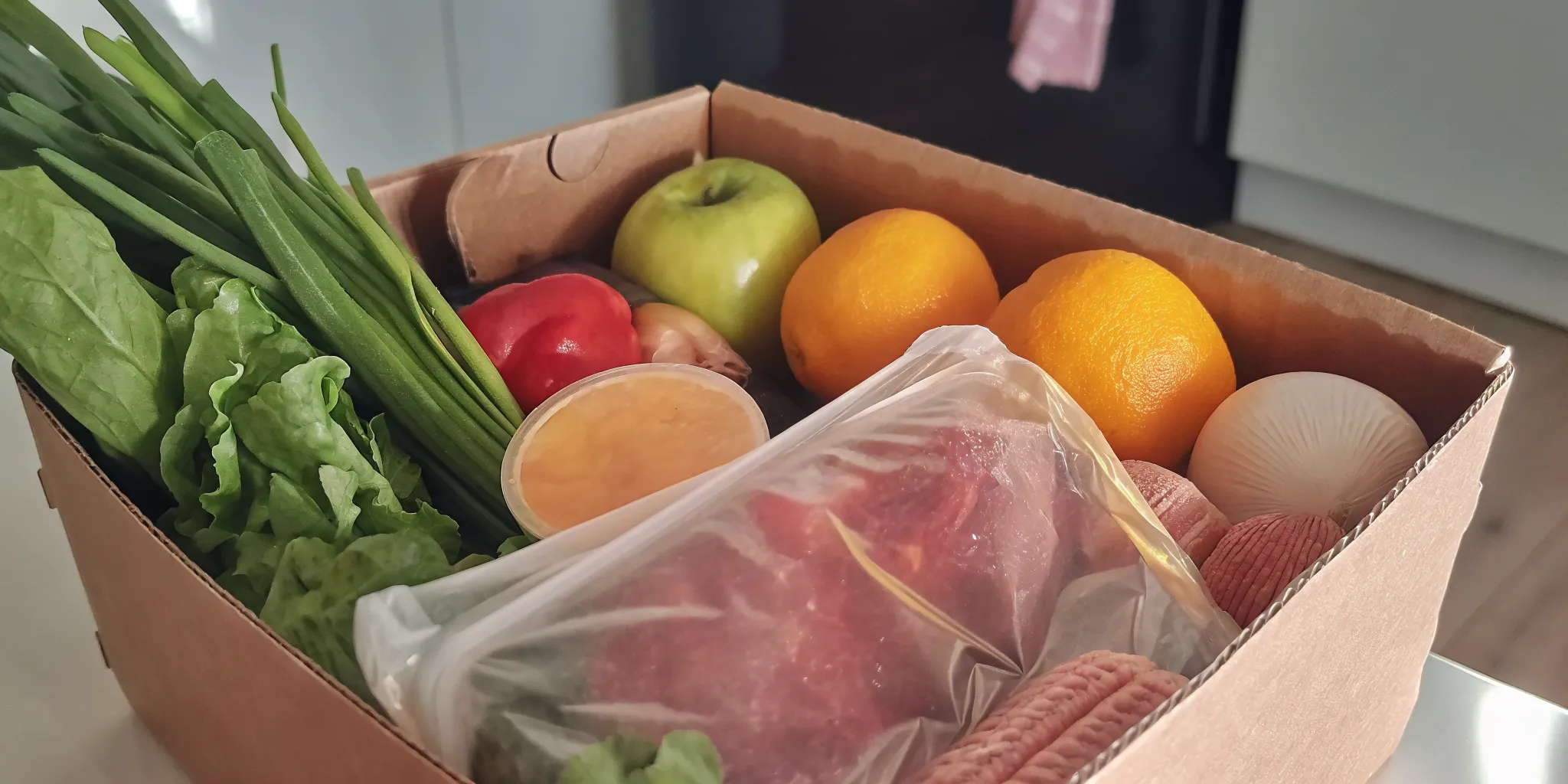
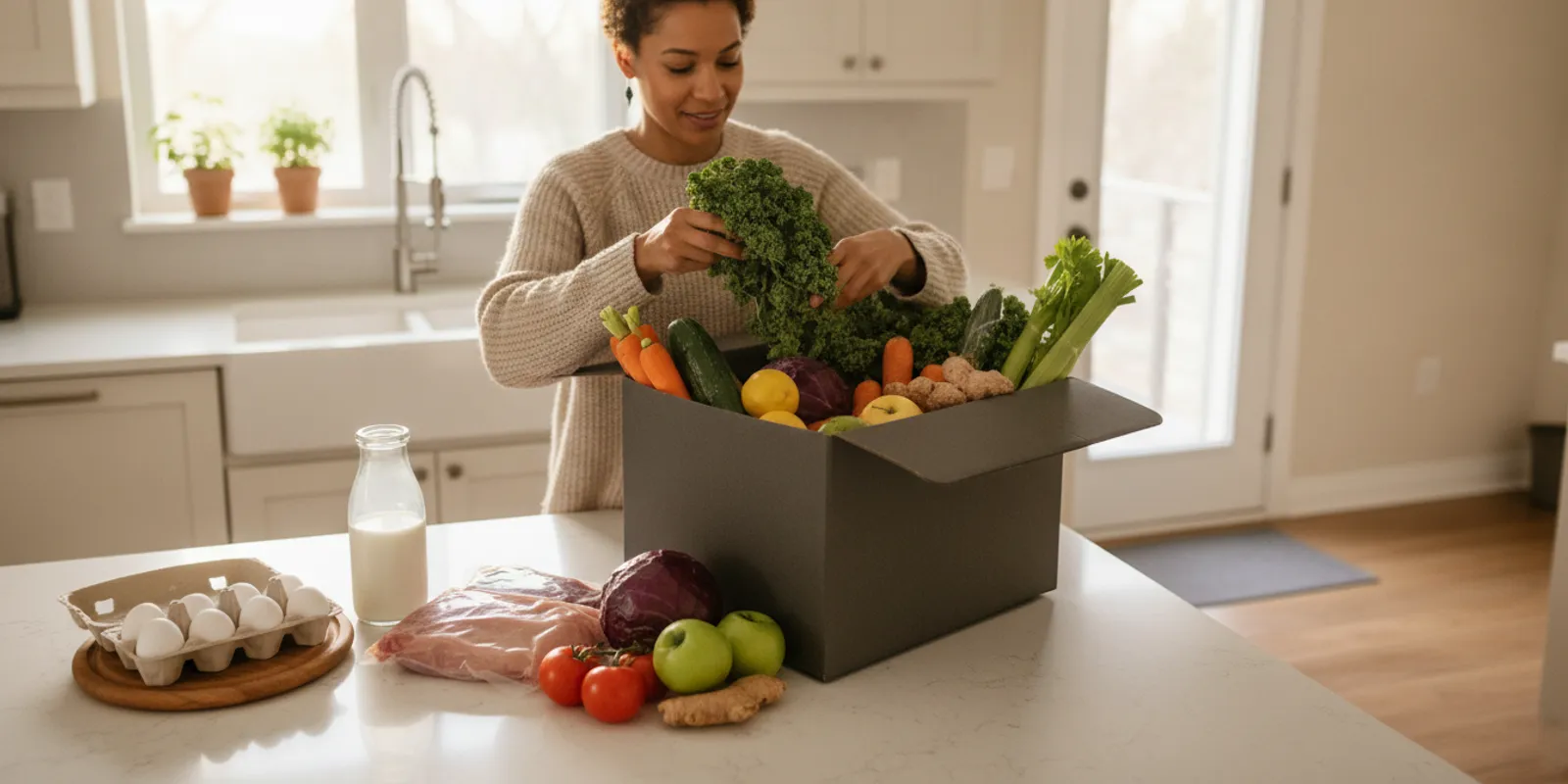
A weekly grocery order is easier to use when it is built around meals, not random items. Start with the ingredients your household reaches for most, then check that the cart includes something fresh. Something filling, and the basics that make those foods easy to prepare.
Start Shopping to build a balanced weekly grocery delivery order that works for your household.
A balanced grocery delivery order brings together produce, proteins, pantry staples, and dairy in quantities that match your week. With Tre'dish, you can build that mix around your household, then rely on refrigerated delivery to keep fresh groceries ready for the meals ahead.
This approach can reduce last-minute grocery trips while leaving room to adjust for changing schedules, dietary needs, or a week away. Tre'dish sources products from more than 200 local Ontario farmers and producers, and orders can be modified, skipped, or canceled without subscription fees. The key is knowing what each category needs to do for your meals, starting with the time your routine can give back.
Busy weeks rarely leave room for several grocery runs. A balanced grocery delivery order gives your household a dependable starting point for the days ahead. With the ingredients you use most arriving together instead of being collected in separate trips. You can plan around fresh produce, proteins, pantry staples, and dairy, then adjust the mix as your schedule changes.
Tre'dish uses a direct-to-consumer autopilot model for high-quality grocery delivery in Ontario. Rather than making time for another store visit whenever an ingredient runs out, you can build a recurring rhythm that keeps everyday essentials moving toward your kitchen. The benefit is not just avoiding the drive. It is reducing the small decisions that take up attention before and after work, school, and family commitments.
Automation turns grocery planning into a repeatable routine. Start with the foods your household regularly needs, then refine the order after seeing what was used quickly. What lasted longer, and what should be added for the next week. That process can help you spend less time rebuilding a list from scratch and more time preparing meals with ingredients already on hand.
A balanced order also supports weekly meal preparation routines. When the main ingredients arrive in one delivery, you can wash produce, portion proteins, or prepare a few staples in one session. That makes it easier to choose a home-cooked meal when the day gets crowded, instead of making an unplanned store trip or defaulting to takeout.
Yes. A routine should reduce effort, not lock you into a fixed list. Tre'dish orders can be customized, skipped, modified, or canceled, and there are no subscription fees. You pay for the products you order, so a balanced grocery delivery order can expand for a week of hosting. Change for a different meal plan, or pause when you are away.
That flexibility keeps convenience connected to quality and freshness. You can maintain a reliable base of groceries without over-ordering, while still making room for seasonal choices and changing preferences. The result is a simpler weekly system that gives time back without asking your household to compromise on the food it wants to eat.
A balanced weekly order should give you the ingredients to build meals around four core categories: fresh produce. Lean proteins, whole-grain and legume-based pantry staples, and dairy or suitable alternatives. The exact mix depends on your household, but covering each category helps prevent an order from becoming a collection of snacks. Convenience foods, or ingredients that do not work together.
Fresh produce should take up the largest share of your order. Choose a mix of vegetables and fruit in different colours, including items you can use quickly and longer-lasting options for later in the week. A practical plate-planning guide from Mayo Clinic recommends filling about half the plate with vegetables, with fruit adding variety alongside the meal.
| Category | What to include | Role in weekly meals |
|---|---|---|
| Fresh produce | Leafy greens, peppers, carrots, berries, apples | Largest share of the plate, adds colour and nutrients |
| Lean proteins | Poultry, fish, eggs, beans, lentils, tofu | Anchors main meals and keeps dinners satisfying |
| Pantry staples | Brown rice, oats, whole-grain pasta, quinoa | Builds easy bowls, soups, and breakfasts |
| Dairy | Milk, yogurt, cheese or a suitable alternative | Adds protein and pairs with breakfast and snacks |
Think in meals rather than isolated products. For example, vegetables, brown rice, and a lean protein can become a bowl, while yogurt, oats, and fruit can cover breakfast. This approach makes it easier to order realistic quantities and use ingredients before they spoil. It also helps to distinguish a serving from a portion: a serving is a standardized amount shown on a label. While a portion is the amount you choose to eat. Use labels as a guide, then adjust portions to your household's needs.
Tre'dish's refrigerated delivery, insulated boxes, and ice packs help protect fresh groceries while they arrive at your door. That makes it easier to include produce, dairy, and other perishable ingredients in a dependable weekly order instead of relying mainly on shelf-stable foods. For more ideas on selecting fresh and nutritional produce, build your list around the meals you expect to serve, then customize the categories to suit your schedule and preferences.
A repeatable planning routine makes a balanced grocery delivery order easier to build and easier to use. Start with what is already in your kitchen, then plan enough flexible ingredients for the meals your household actually eats. The goal is not to create a rigid menu. It is to make sure your delivery includes the core ingredients for nourishing meals, while leaving room for preferences, leftovers, and changing schedules.
Convenience only works when the groceries arrive in the condition you expect. Tre'dish is designed to protect freshness between packing and delivery, so a balanced grocery delivery order can include produce. Dairy, proteins, and other staples without requiring another store visit the same day.
Orders arrive refrigerated in eco-friendly packaging, including insulated boxes and ice packs. That packaging helps maintain a cool environment during delivery, while the insulated box provides an added layer of protection for temperature-sensitive foods. The result is a delivery experience built around quality, not just speed.
Refrigerated delivery helps keep perishable groceries cool from dispatch through arrival. Insulated packaging and ice packs support that cold environment, which is especially useful for dairy. Fresh proteins, leafy greens, berries, and other foods that can lose quality when exposed to heat. Once your order arrives, put chilled items away promptly and store produce according to its needs.
Freshness also starts before an order is packed. Tre'dish sources from more than 200 local Ontario farmers and producers, giving the service a strong connection to nearby growing and production communities. Local sourcing does not replace careful handling, but it supports a supply chain focused on high-quality groceries and dependable delivery across Ontario.
This combination matters for busy households. You can plan meals around fresh ingredients, receive them at home, and spend less time repeating grocery trips without treating convenience as a reason to lower your standards. Tre'dish also partners with Feed Ontario and donates a portion of its profits, connecting the delivery model to a broader community impact.
When you unpack your order, check chilled products first, refrigerate or freeze what you will not use soon. And keep delicate produce away from items that can bruise it. These simple habits help the cold-chain packaging do its job and keep the quality of your groceries at its best.
A grocery subscription can be worth it when it helps you keep better ingredients on hand without adding another weekly errand. The value is not just the delivery. It is the combination of dependable access to fresh food, a simpler planning routine, and enough flexibility to match how your household actually eats.
Yes, when affordability means fair value rather than the lowest possible price. Tre'dish has no subscription fees. You pay only for the products you order, and you can skip, modify, or cancel orders as your schedule and needs change. That makes it easier to try a recurring grocery routine without committing to a fixed box or paying for groceries you will not use.
The approximately 25% average basket savings can be a useful secondary benefit, but it should not be the main reason to choose a grocery service. For healthy eating, quality, freshness, and control matter more than chasing the cheapest option. A flexible order lets you choose the produce, proteins, whole grains, dairy, and pantry staples that fit your meals, dietary preferences, and household size.
Tre'dish uses a direct-to-consumer autopilot model to deliver high-quality, fresh groceries in Ontario. Having core ingredients arrive on a dependable schedule can reduce the friction that leads to last-minute takeout or skipped meal preparation. You reclaim time from repeated grocery trips and can put that time toward preparing meals at home.
Planning still matters. A balanced order should include a range of whole, fresh, frozen, or less-processed foods rather than relying on one category. The Mayo Clinic recommends focusing on wholesome foods while shopping and spending more time in the produce section to stock up on fruits and vegetables. Selecting fresh and nutritional produce is a practical starting point for building meals that are varied and satisfying.
For Ontario households, the strongest case for a grocery subscription is a better routine, not a rigid one. You can automate the parts of shopping that save time, then adjust each order around travel, changing schedules, seasonal preferences, or the meals you want to make next.
Start with the meals you expect to make, then choose a mix of vegetables and fruit, proteins, whole grains or other pantry staples, and dairy or suitable alternatives. Add versatile ingredients that can work across more than one meal, such as leafy greens, eggs, beans, rice, and seasonal produce. This approach gives you variety without filling your refrigerator with items that serve only one purpose.
A practical weekly order should cover the main food groups your household uses: fresh produce, proteins, pantry staples, and dairy or alternatives. Include breakfast basics, ingredients for planned lunches and dinners, and a few flexible options for busy nights. Adjust quantities for household size, dietary needs, and how often you cook at home rather than following a fixed list.
Delivery makes it easier to plan before you shop and keep nourishing ingredients available. Build your cart around fresh, frozen, and less-processed foods, then review it before checkout for variety. Planning meals and choosing ingredients in advance can reduce last-minute decisions and make it simpler to prepare balanced meals during a busy week. For more guidance, see the guide to selecting fresh and nutritional produce.
Yes. Tre'dish is designed for household flexibility, so customers can customize, skip, modify, or cancel orders as needed. There are no subscription fees, and you pay for the products you order. That makes it easier to adjust your weekly grocery plan for travel, guests, changing schedules, or different meal needs without abandoning the routine.
A balanced order can make weekly planning simpler while keeping fresh, practical staples ready for the meals ahead. Build your next order around your household's needs and adjust it as your routine changes.
Start Shopping to build your balanced weekly grocery order with Tre'dish.