Hewitt's Organic Dairy Ontario: Farm-Fresh Delivery
Start enjoying fresh Hewitt's organic dairy Ontario delivery today. Tre'dish puts premium local milk on autopilot with fair pricing and eco-friendly delivery.


A grocery run can look inexpensive when you compare only the total on your receipt. But the trip may also include fuel, parking, vehicle wear, time away from work or family, and items you did not plan to buy.
The true cost of grocery delivery includes more than the delivery fee. It is the full cost of getting groceries home, including service charges, tips, travel expenses, shopping time, and impulse purchases, weighed against the value of dependable delivery and a more focused basket.
That does not mean delivery is automatically the cheaper choice. The useful comparison is the cost of each shopping method for your routine, your distance from the store, and the time you have available. Once those factors are listed, the weekly drive starts to look less like a free errand and more like a recurring expense.
The shelf price is only one part of an in-person grocery trip. In Ontario, the full outing can also include fuel, parking, vehicle wear, and the time required to get there, shop, load up, and return home. Those costs may not appear on your receipt, but they still draw from your household budget and your week.
Fuel cost depends on your vehicle, route, traffic, and how often you shop. A short trip from a nearby neighbourhood may use little gas, while a longer drive across the GTA or a trip made during congested rush-hour traffic can take considerably more. If you make separate trips for a forgotten ingredient, a second store, or a larger weekly shop, the fuel cost accumulates quietly over the month.
Parking is another variable that is easy to overlook. Some Ontario grocery stores offer free lots, but shoppers in denser GTA communities may face paid street parking, garage rates, or time limits that make a quick shop less predictable. Even when parking is free, finding a space, walking to the entrance, and returning a cart all add friction to the errand.
Every drive contributes to routine vehicle costs, including fuel, maintenance, tires, and depreciation. One grocery run will not produce a separate line item for those expenses, but repeated weekly driving makes them part of the practical cost of shopping in person.
Time is often the largest hidden expense. The trip includes more than the minutes spent choosing produce and filling a cart. It can involve getting ready, driving through traffic, parking, waiting at checkout, loading bags, and putting everything away. For a busy Ontario household, that may mean giving up time that could be used for meals, family, work, or rest.
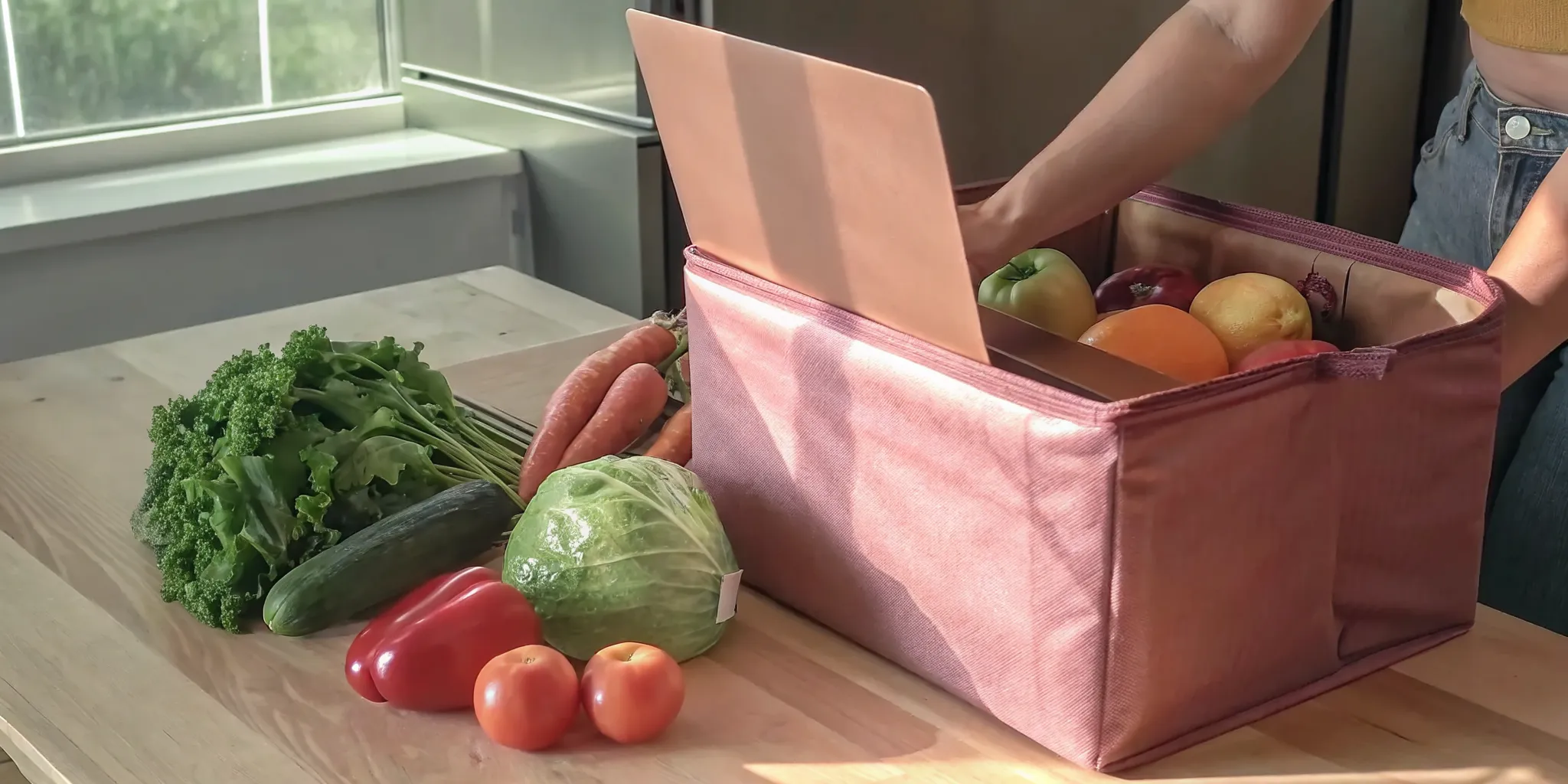
Delivery is not automatically free of added charges. Delivery fees, service charges, fuel surcharges, and tips can add US$20 or more to an order, according to Inside Logistics. That is why the useful comparison is not simply driving versus delivery. It is the total cost, time, and convenience of each option for your actual routine.
The price shown beside a grocery basket is not always the amount charged at checkout. Delivery services may separate the cost of bringing the order to your door from the cost of processing it, shopping for it, or completing the transaction. A clear comparison means checking the full fee structure, not just the item prices.
Here are the charges that can appear in an online grocery order, and how Tre'dish's model differs:
| Fee type | What it usually covers | What Tre'dish does |
|---|---|---|
| Delivery fee | The cost of transporting an order to your address. Some services charge $10 or more per order, according to Checkbook. | No subscription fee. Customers pay for the products they order. |
| Service fee | A percentage or flat charge for order processing and fulfilment. CNET reports that service fees commonly run from 5% to 15% of the order total. | No subscription fee. Review the product total and checkout details before placing an order. |
| Tip | An optional payment some customers add for the person delivering or shopping the order, depending on the service. | Not part of Tre'dish's subscription model. Customers pay for the products they choose. |
| Per-item markup | A higher item price compared with buying the same product in a store. This can be harder to spot than a separately listed fee. | Tre'dish's model is product-based, with no subscription fees. Compare the actual product prices and order total. |
These costs can accumulate quickly. One industry report notes that delivery fees, service charges, fuel surcharges, and even a modest tip can add US$20 or more to a grocery bill. The exact amount varies by provider, order size, delivery area, and time slot. CNET also notes that delivery fees vary, while Checkbook has found services charging $10 or more for delivery per order.
The problem is not only the amount. The FTC says online grocery fees can be unclear, inconsistently disclosed, or shown only at the final checkout stage, making it difficult to compare services fairly. Before choosing a provider in Ontario, check whether the advertised total includes delivery, service charges, tips, and item-level markups. You can also review our guide to the best grocery delivery services in Canada for a broader look at how providers differ.
The answer depends on what you compare. A delivery order may show a fee at checkout, while a store trip can include fuel, parking, time, and purchases that were never on your list. The most useful comparison is your complete basket and total trip cost, not the shelf price of one item.
Often, yes. Shopping from a list makes it easier to review what you need before paying and harder to wander through displays designed to encourage add-ons. That changes the basket itself, so comparing a carefully planned online order with an unplanned store trip is not exactly apples-to-apples. If driving to the store regularly leads to extra snacks, seasonal items, or duplicate purchases, those additions belong in the calculation.
Delivery also makes it easier to pause before checking out. You can remove items, compare quantities, and keep the order focused on the week ahead. That does not guarantee a lower bill, but it can create more predictable spending and reduce the friction of following a meal plan.
Start with every charge that can appear on a delivery order, in this order:
The Center for the Study of Services notes that some delivery options add $10 or more per order, so the fee structure can materially change the total. Its comparison is not an Ontario price quote, but it is a useful reminder that convenience has a real cost in some models. Source: Checkbook's grocery delivery cost comparison.
Fee transparency matters, too. The U.S. Federal Trade Commission has warned that online grocery fees disclosed only at the final checkout stage can distort price comparisons and make informed decisions harder. Read the full FTC discussion of online food and grocery delivery fees before comparing services.
When considering Ontario options, compare Tre'dish with services such as Voila by Sobeys using the same list, quantities, delivery frequency, and final checkout total. Tre'dish has no subscription fee. You pay for the products you order, and you can skip, modify, or cancel orders. Tre'dish also states an average basket savings of approximately 25%, but that should be treated as one part of the comparison, not the headline promise. The bigger question is whether dependable delivery, fresh groceries, and fewer store trips fit the way your household already shops.
The time cost of groceries starts before you pick up the first item. A weekly store trip can include driving across town, finding parking, walking through the aisles, waiting at checkout, loading the car, and unloading everything at home. Repeat that routine 52 times a year, and small blocks of time become a substantial commitment.
Delivery changes the shape of the task. Instead of arranging a trip around store hours and traffic, you can build an order from a list at home. You can check what you already have, add what is missing, and review the basket before placing the order. The work still requires a decision, but it no longer requires a round trip for every weekly shop.
That distinction matters for Ontario households balancing work, school, caregiving, or unpredictable schedules. A delivery order can be started in a few minutes and completed when your list is ready. There is no commute to begin the shop, no aisle-by-aisle detour, and no need to carry bags from the car to the kitchen. Over several months, the recovered time can be used for meal preparation, family time, exercise, or simply a less rushed evening.
Delivery windows also give shoppers a choice about how they value speed. Research reported by Inside Logistics found that grocery customers are more likely to select a later same-day or next-day slot when it means paying a lower delivery fee. This suggests that shoppers are not only comparing prices. They are weighing urgency, convenience, and the value of their time when choosing how groceries arrive: Inside Logistics.

Tre'dish is designed for that weekly or bi-weekly rhythm. You can see how Tre'dish delivery works, then choose a routine that fits your household instead of rebuilding your schedule around every grocery run. The practical benefit is not just avoiding one drive. It is making the repeated task easier to manage throughout the year.
A grocery order is not only a transaction at checkout. It is also a decision about freshness, how food reaches your kitchen, who benefits from the purchase, and how much flexibility you have after placing the order.
Tre'dish delivers groceries in refrigerated, eco-friendly packaging designed to protect quality in transit. Insulated boxes and ice packs help keep products fresh from the time they leave the supplier until they arrive at your door. That matters when convenience could otherwise mean compromising on the condition of fresh food.
Tre'dish sources from more than 200 Ontario farmers and producers. Choosing a service connected to local suppliers keeps the delivery model tied to the communities it serves, rather than treating groceries as interchangeable products moved through an anonymous supply chain. It also gives Ontario households a practical way to discover Canadian-made groceries alongside the staples they already buy.
That local connection extends beyond the products themselves. Tre'dish partners with Feed Ontario, directing a portion of profits toward food security. The result is a grocery routine that supports more than the individual order. It connects everyday shopping with local producers and a broader community effort.
Tre'dish does not charge a subscription fee. Customers pay for the products they order, and they can skip, modify, or cancel orders when their schedule or needs change. This is important when assessing value because a recurring service should fit real life, not create another obligation to manage.
Weekly or bi-weekly delivery can take repeated grocery planning and store trips off your plate while keeping control with you. You choose what belongs in the basket, then adjust the order when plans change. There is no need to keep paying for a delivery schedule you cannot use.
If quality, local sourcing, and flexibility matter as much as the checkout total, Start Shopping to see what is available for delivery across Ontario. If you prefer to set up your profile first, Create Account and make grocery planning easier to manage.
It depends on what you include in the comparison. Add delivery and service fees to the time, fuel, parking, and effort of an in-store trip. Delivery can be a practical choice when it gives you back meaningful time, fits your schedule, and helps you follow a planned list. Check the complete checkout total before deciding.
A delivery fee generally covers transporting the order to your home. A service fee may cover picking, packing, and order handling. Some orders may also include a tip or fuel surcharge. These charges can add US$20 or more in some cases, according to Inside Logistics, so review each line before placing an order.
Potentially. Individual item prices, minimum-order rules, delivery charges, service fees, surcharges, and tips can change the final total. The Federal Trade Commission has noted that unclear or last-minute fee disclosures make price comparisons harder. Compare the full basket, not only shelf prices.
It can. Shopping from a list online makes it easier to review your basket, remove extras, and avoid unplanned products encountered in store aisles. That does not guarantee a lower bill, but it gives you more control over what you buy. Compare the final total with your usual trip, including transportation and time.
No. Tre'dish customers pay for the products they order, with no subscription fee. Orders can be skipped, modified, or canceled, which makes it easier to use delivery around your actual grocery routine rather than committing to a fixed schedule.
A clear view of the full shopping experience can help you choose an option that fits your routine, priorities, and budget. When you are ready to get started, Start Shopping and see how Tre'dish can fit into your weekly grocery plan.