
Wagyu vs. Regular Beef: What's the Real Difference?
Curious what is the difference between wagyu and regular beef? Learn about marbling, taste, nutrition, and why Wagyu stands out from standard beef cuts.

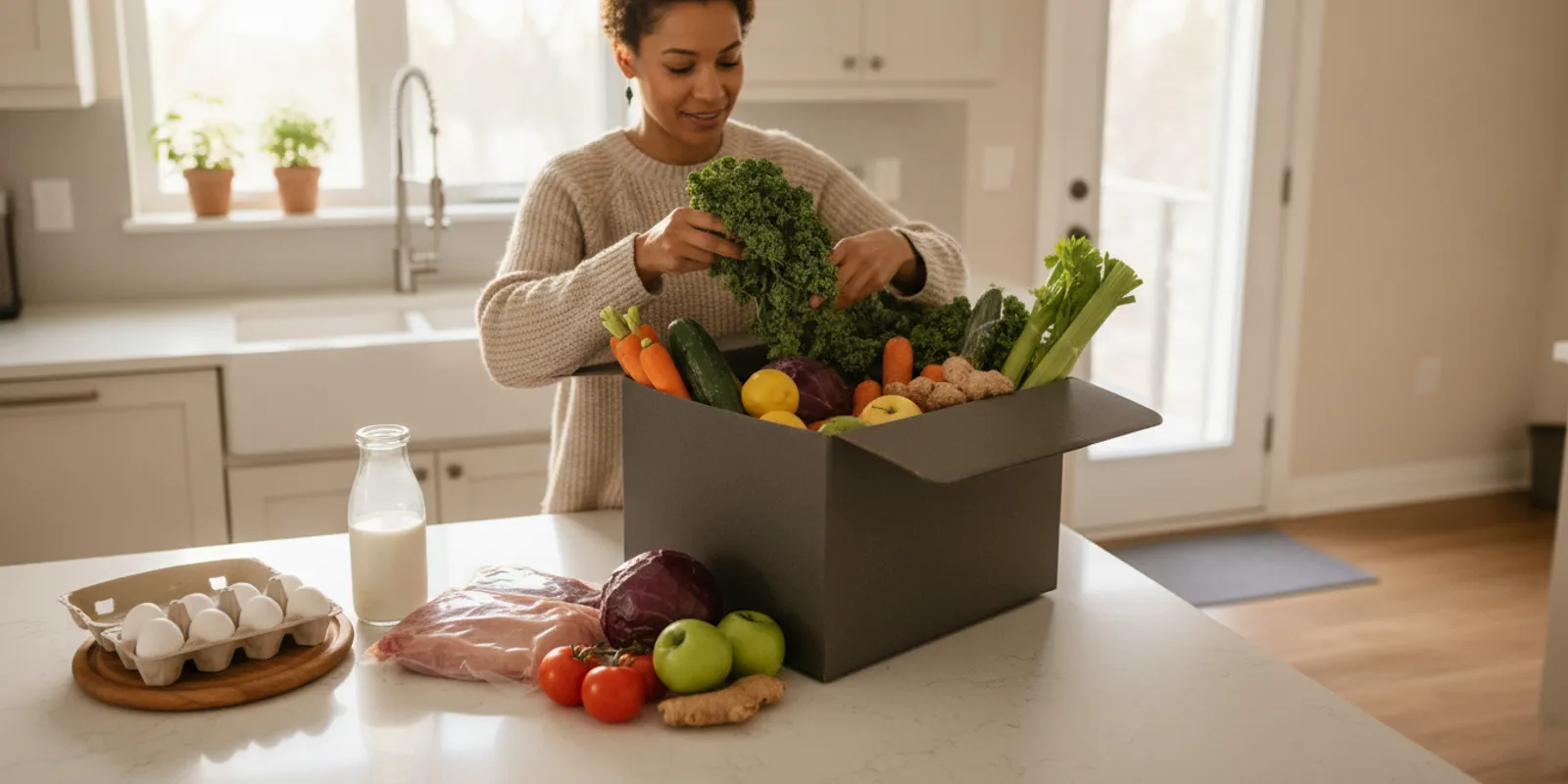
Choosing grocery delivery in Brampton is about more than getting bags to your door. The right option should fit your address, keep fresh food in good condition, offer the products your household uses, and make weekly planning easier. Before you choose a service, compare how it delivers, what you can customize, and whether your postal code is covered.
Start with the practical details that affect every order. A service can look convenient on a screen, but it only works if it reaches your address and suits the way your household shops.
These checks help separate a useful weekly routine from a service that only solves one part of the trip. For a broader overview of how scheduled grocery orders work, see how Tre'dish works.
Do not assume that a service covers every street in Brampton just because it delivers somewhere in the Greater Toronto Area. Delivery networks are defined by route and operating capacity, and the available areas can change. The most reliable check is to enter your postal code through the provider's current ordering process or ask its team directly.
Confirm the delivery area, the next available day, and what happens if your address is outside the active route. If you live in a condo or apartment, check whether the order comes to the unit door, building entrance, concierge, or another agreed location. Ask about access instructions and how the handoff works when you are not home.
Tre'dish's confirmed service area is the Greater Toronto Area. That does not automatically confirm service for every Brampton address, so check your postal code before building your routine around it. You can use the Tre'dish contact page to ask about coverage or delivery details.
A clear coverage answer also helps you compare fairly. If one provider reaches your home and another does not, availability comes before product range or convenience features.
Grocery services often use different shopping and delivery models. The best fit depends on whether you want to choose individual items each time, keep a recurring order that you can adjust, or receive a limited selection built around a theme.
| Option | How it typically works | What to check |
|---|---|---|
| On-demand store delivery | You select items from a retailer's current inventory and choose an available delivery window. | Product availability, substitutions, fees, and the time slots offered for your address. |
| Scheduled grocery subscription | A regular order or shopping window helps organize a recurring weekly shop; customers may be able to edit or skip. | Whether you control the products, the change deadline, skip rules, and any subscription fee. |
| Produce or specialty box | A curated selection focuses on a category, such as seasonal produce or a particular food type. | How much choice you have and whether the box covers enough of your household's list. |
| Store pickup | You order online and collect the groceries at a selected location. | Travel time, pickup windows, parking, and whether chilled items remain convenient to transport. |
The words "subscription" and "recurring" do not always mean the same thing. Read the service terms to learn whether payment is for a membership, the groceries themselves, or both. Tre'dish has no subscription fee: customers pay for products, and can skip, modify, or cancel orders. Its model is designed around dependable weekly delivery with customer control over the order.
To see how the ordering process is presented, visit the Groceries on Autopilot overview. Compare the details with your own schedule rather than choosing a model based on its name.
Freshness depends on more than how quickly groceries arrive. It also depends on sourcing, storage, packing, and the time food spends in transit. When comparing providers, look for a straightforward explanation of how refrigerated products are protected and how the delivery handoff is managed.
Tre'dish deliveries are refrigerated and use insulated boxes and ice packs. That approach is intended to help protect freshness while groceries travel to the customer. As with any delivery, make a plan to bring the order inside promptly and put chilled and frozen products away first.

When an order arrives, check it against your receipt, put temperature-sensitive items away, and note any issue while the details are easy to confirm. For handling advice for a particular product, follow its packaging directions and food-safety guidance from the relevant public authority.
Packaging is another part of the comparison. Ask what materials come with the order and whether they can be reused or recycled locally. Tre'dish uses eco-friendly packaging, including insulated boxes and ice packs, alongside refrigerated delivery.
Product origin can matter when you want to support nearby producers, find Canadian-made goods, or understand where your food comes from. Compare services by the information they provide on individual products, not just broad claims about being local. A useful listing should make it possible to identify the item and its origin before you add it to your order.
Tre'dish works with local Ontario farmers and producers and offers Canadian-made groceries. Its supplier range includes fresh foods and pantry products, so shoppers can look beyond a produce-only box when planning a weekly order. The Tre'dish supplier page offers more context on its Canadian partners.
Local sourcing is not a promise that every product is grown nearby or available all year. Supply changes with season and product type. If a specific origin matters to you, check the item's details before ordering. This is especially useful when you are choosing between a flexible grocery order and a curated box with less item-by-item choice.
Online ordering can also change the way a grocery trip is organized. A National Science Foundation-hosted study, Environmental Lessons from E-Commerce, discusses the potential for centralized grocery delivery to reduce energy use compared with conventional retail. The result depends on how orders and transport are organized, so it is better to treat delivery as one part of a broader comparison rather than assume every online order has the same impact.
Compare a realistic basket, not a headline offer. Make a list of the items your household buys in a normal week, then check how much of that list is available through each service. Include any fees displayed at checkout and consider whether the delivery schedule saves you a separate trip.
Tre'dish emphasizes quality and convenience alongside fair value. Its stated average basket savings claim is approximately 25%; individual items and baskets can differ, so compare the products you plan to buy rather than treating an average as a promise for every order. There are no subscription fees, and customers pay for products.
A transparent comparison should leave you knowing what the order contains, how much it costs, when it arrives, and how to change it. If those details are difficult to find, ask before committing to a recurring routine.
A recurring delivery can make planning easier without requiring the same order every week. The key is to check what you can edit and when. A predictable delivery day is useful only if the service gives you a practical way to respond to changing plans, travel, or a fuller fridge.
Before you sign up or place a first order, find the answers to these questions:
Tre'dish's weekly delivery model is customizable: customers can modify, skip, or cancel. Orders are charged when the order window closes, rather than when the order is first placed. Check the current ordering details for timing before you plan around a particular delivery.

A simple routine can make flexibility easier to use. Keep a running list on your phone or in the kitchen, check pantry staples before the ordering window closes, then add fresh items and adjust quantities. If you know you will be away, skip the week early rather than leaving an order you do not need.
For more on the company's approach and background, read about Tre'dish and its story behind direct grocery delivery. These pages can help you understand the model, while the ordering flow will confirm current product and delivery details.
Start with the items that make a difference to your next few meals. A first order does not need to replace every store you use. It can be a practical test of product quality, delivery fit, and how easily the service fits into your week.
For families, a short shared list can help prevent duplicate purchases. For one- or two-person households, smaller quantities and a plan for using fresh ingredients can reduce leftovers. If you rely on particular brands or dietary items, confirm their availability before deciding that one delivery option can cover the whole week.
It can help to divide the list into three groups: everyday staples, ingredients for planned meals, and optional extras. Check what is already in your cupboards before adding staples, then estimate how many meals each fresh item will support. For example, greens or herbs may be useful in more than one meal, while a larger pack of one ingredient may only make sense if you have a second recipe in mind. This simple check makes it easier to order a useful amount without treating a delivery as an invitation to overfill the fridge.
Think about your household's delivery setup, too. Choose someone who can receive the order during the available window, note any entrance or buzzer instructions, and leave a clear place to set down the boxes. In a shared building, check whether the concierge accepts deliveries and whether refrigerated groceries can be collected promptly. Those small details help turn a scheduled drop-off into a dependable weekly routine.
If you are comparing services for several people in the home, agree on a few basics before the first order: preferred brands, dietary needs, foods that should always be stocked, and items no one will use. That short conversation can make a customizable order more useful and reduce last-minute changes.
The purpose of a first order is to learn whether the service works for your real routine: the arrival time, the products, the packaging, and the effort it removes from the week. Keep notes on what you would repeat and what you would change next time.
Tre'dish may suit Greater Toronto Area households looking for quality groceries, Canadian products, and a customizable weekly delivery routine. It is not a fit to assume without checking address coverage: the company's confirmed service area is the GTA, and each Brampton postal code should be verified.
Consider Tre'dish if you want to plan groceries around a weekly order, adjust or skip weeks, and explore products from Ontario farmers and Canadian suppliers. Refrigerated delivery with insulated boxes and ice packs supports the freshness side of the experience, while the no-subscription-fee model keeps payment focused on the products you order.
To review the ordering options, visit Tre'dish online. If you have questions about a specific Brampton address, check coverage before relying on a delivery date.
Not necessarily. Tre'dish's confirmed service area is the Greater Toronto Area, but coverage should be checked by postal code. Ask the company or check the current ordering process before placing an order.
No. Tre'dish has no subscription fees; customers pay for the products they order. Customers can also modify, skip, or cancel orders.
Deliveries are refrigerated and use insulated boxes and ice packs. Bring the order inside promptly and put chilled and frozen items away when it arrives.
Yes. Tre'dish customers can modify or skip a week, or cancel. Check the current order window and change deadline so you know when an order becomes final.
Check address coverage, delivery schedule, product range, freshness handling, flexibility, and the full checkout total. Compare a basket that reflects what your household actually buys.
With your postal code confirmed and a realistic basket in mind, you can choose a grocery delivery routine that fits your Brampton household instead of relying on a one-size-fits-all promise.