A Guide to Automatic Grocery Delivery in Canada
Automatic grocery delivery in Canada makes shopping simple. Learn how to set up recurring orders, compare services, and save time on your weekly groceries.

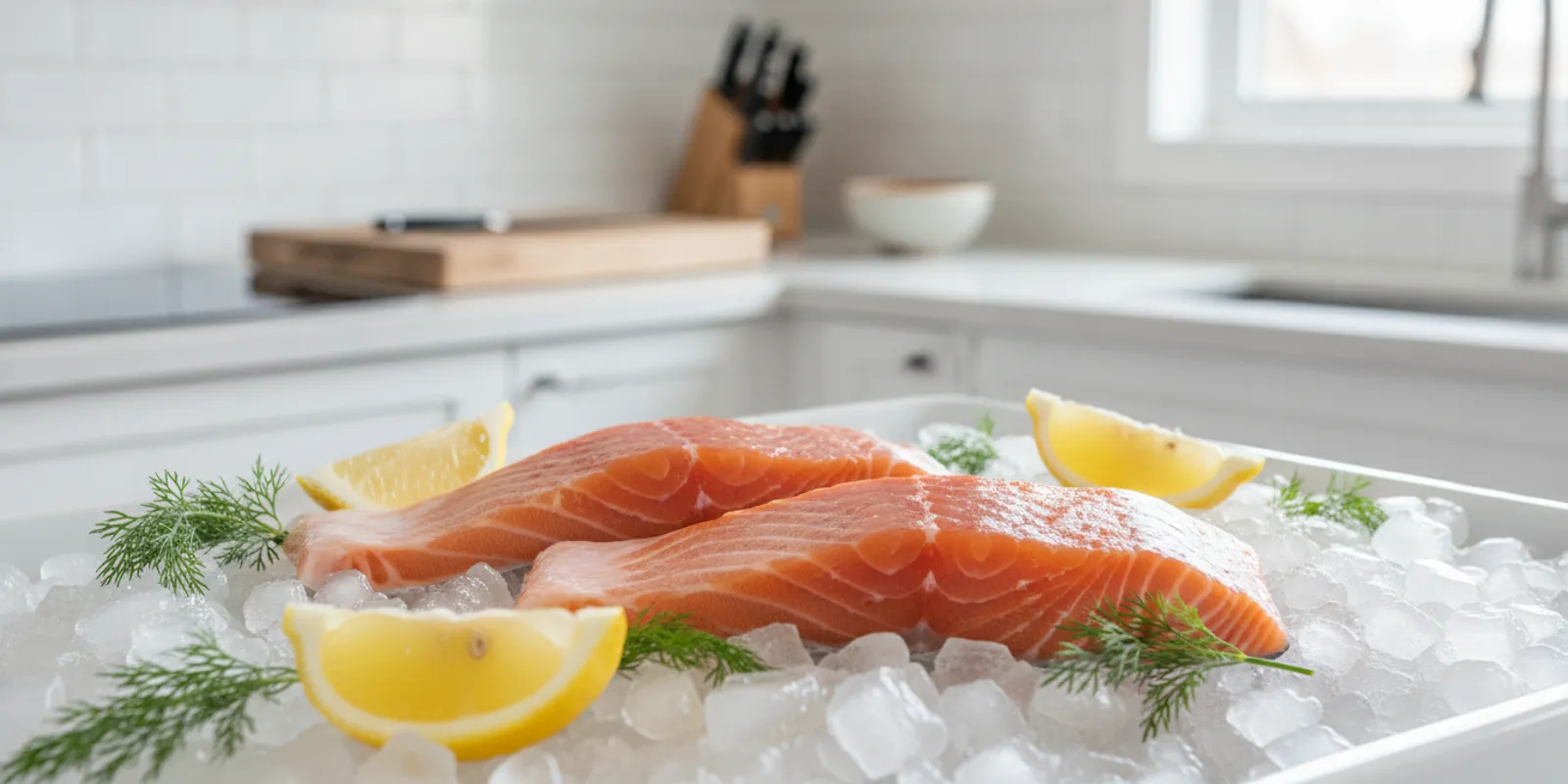
Choosing a fresh fish delivery service is about more than finding a convenient way to order dinner. You want clear product information, careful cold handling, a delivery window that fits your schedule, and portions you can use. This guide explains how to compare fish listings, plan a first order, and decide whether chilled or frozen products suit your week.
Start with the listing. Before thinking about price or recipe ideas, confirm exactly what the product is and how much you are ordering. A useful listing should name the species, cut, package weight, and storage state. If it only says “white fish” or “seafood selection,” ask for clarification instead of guessing from a photograph.
These points prevent a common mismatch: choosing a product that sounds right but arrives in a format that does not suit the meal. A whole fish may be useful for a planned centrepiece, while portions can make weeknight cooking simpler. A product’s description, not a broad label such as “premium,” is what helps you make that choice.
Online shoppers cannot inspect fish before ordering, so the provider’s product and delivery information matters. Look for an explanation of how chilled items are packed, what delivery window applies, and what to do when the order arrives. Specific handling information is more useful than a general promise of freshness.
Canadian food-safety guidance advises keeping perishable food cold and refrigerating it promptly. See the Government of Canada’s safe food storage guidance for practical storage principles. Follow the instructions on your package as well, since they apply to the specific product you purchased.

When the order arrives, bring chilled fish inside promptly and place it in the refrigerator as directed. If a package is damaged, unexpectedly warm, leaking, or different from what you ordered, contact the seller promptly and follow its guidance. Do not rely on appearance or smell alone to determine whether food is safe.
Before ordering, ask how the fish is shipped, what packaging is used, whether the delivery has a defined window, and what happens if nobody is home. A clear answer lets you prepare the handoff: free space in the refrigerator, arrange for someone to receive the order, and avoid scheduling delivery on a day when you cannot put perishables away.
Compare like with like. Species, cut, package amount, and chilled or frozen state affect how useful an item will be for your household. Sourcing information can help you make an informed choice, too, but the amount of detail varies. Look for a named origin or an explanation of sourcing rather than treating words such as “local” or “responsibly sourced” as a complete answer.
| What to compare | What to look for | Why it matters |
|---|---|---|
| Species and cut | Named fish and whole, fillet, or portion format | Helps match product to recipe and preparation time |
| Package amount | Net weight and number of pieces, when stated | Makes serving and value comparisons more meaningful |
| Fresh or frozen | Direct product-state description | Sets expectations for storage and meal timing |
| Sourcing | Specific origin or supplier details if available | Supports an informed choice about provenance |
| Delivery process | Coverage, delivery window, packaging, and arrival instructions | Shows whether service suits your address and schedule |
Write down the answers that matter most before comparing two services. For example, if one listing gives weight and cut while another gives only a package photo, the first is easier to plan around. Tre'dish provides broader grocery information through how its service works and supplier information; check current product listings for the exact fish and availability.
Neither format is automatically better for every household. Chilled fish can suit a meal planned close to delivery, provided you can receive it and store it as directed. Frozen fish can offer more scheduling flexibility when you want to keep portions for a later date. The right option depends on your meal calendar, freezer space, and the directions supplied with the product.
Try a simple decision. If you plan to cook fish the evening it arrives or soon afterward, select a delivery date that leaves time to receive and refrigerate it. If your schedule changes often, look for a clearly identified frozen option and check how portions are packaged. Either way, avoid buying more than you can store properly or reasonably use.
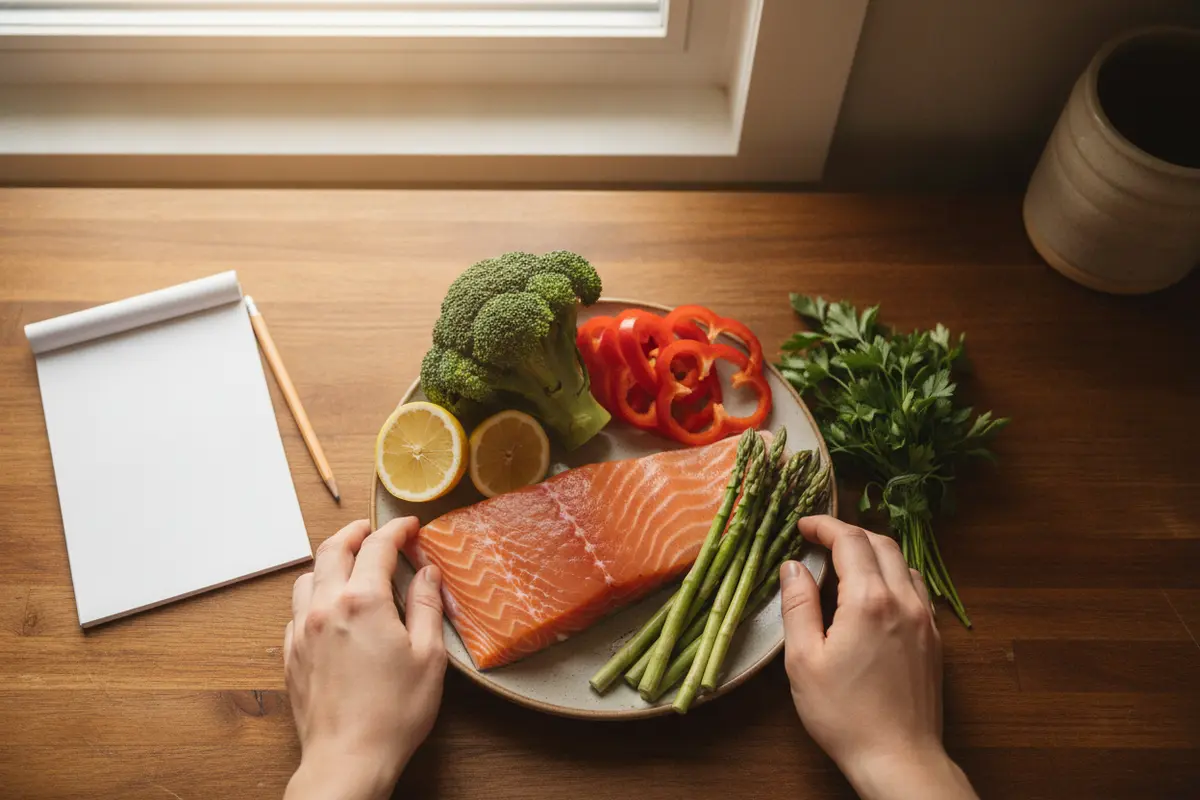
For a household cooking for two, a package of individually portioned frozen fillets may be easier to divide across two meals than a single large piece. A family planning a shared dinner may prefer a larger cut if the quantity and preparation requirements are clear. Those are planning examples, not a rule about what any seller carries; verify the product details before checkout.
A delivery option is practical only if it works with your week. Check whether the provider covers your address, how delivery windows are set, and what happens if your plans change. For a first order, choose a time when someone can receive it and put chilled products away promptly.
Tre'dish serves the Greater Toronto Area, so confirm coverage for your address before building a weekly plan. Its grocery service allows customers to modify or skip weeks without penalty; there are no subscription fees, and customers pay for the products they order. Read how weekly groceries on autopilot work and review the service terms for current details.
Flexibility matters even if you are not ordering fish every week. A schedule may shift, a recipe may change, or you may already have food to use. Knowing how to adjust an upcoming grocery order can prevent overbuying. Treat delivery cadence as a planning tool, not a reason to order more than your household needs.
Keep a first order small and connected to meals you already expect to cook. This makes it easier to judge whether the item, package size, handling, and delivery routine work for you. Use this sequence before checkout:
A short example: suppose you want fish tacos on Thursday. First check the portion count and whether the item is chilled or frozen. Then choose a delivery date that gives you time to receive it, and make sure the package instructions fit your intended cooking day. If the listing leaves the amount or product state unclear, contact the seller before paying rather than making assumptions.
For more context on grocery ordering, read Tre'dish’s guide to groceries delivered to you or its seafood delivery box guide. Use those resources for general planning, and use the current listing to verify what is available today.
Compare the complete purchase rather than one price or phrase. Check the weight, portion count, delivery terms, and whether the product is what you intended to buy. A package with a lower listed price may contain less fish, while a larger pack is only useful if you can store and use it. Consider preparation effort and whether a scheduled grocery delivery fits errands you would otherwise make.
Tre'dish emphasizes quality, convenience, and transparent value. The company reports an average basket savings claim of approximately 25%, but this is an average basket claim, not a promise about a particular fish item or every order. For a fair comparison, use the current listed product details and your actual order total rather than assuming the same result for every basket.
Value also includes reliability and fit. If a service gives clear product details, a delivery window you can manage, and useful order flexibility, it may work better for your routine than an option that appears cheaper but leaves important questions unanswered. Decide which factors matter most before you compare, then apply the same checklist to each service.
Use these questions to resolve uncertainties before checkout:
If a product page does not answer an important question, ask before purchasing. Tre'dish customers can use the contact page for service questions. For supplier background, see about Tre'dish.
Review the seller’s product and handling information, then follow the package’s storage instructions. If the package arrives in a condition that concerns you, contact the seller promptly rather than relying on appearance alone.
Frozen fish can suit shoppers who want to keep portions for later. Confirm that the listing clearly says it is frozen and follow the package directions for storage and thawing.
The confirmed service area is the Greater Toronto Area. Check your address before ordering and do not assume delivery is available throughout the province.
No. Tre'dish states that there are no subscription fees and customers pay for products they order. Weekly orders can be modified or skipped without penalty, subject to current service terms.
Compare species, cut, package size, chilled or frozen state, sourcing information, delivery coverage, cold handling, and order terms. These details show whether the product and service fit your household.
Checking the product, handling information, coverage, and delivery timing before checkout makes a fish order easier to fit into a real week. Choose an amount you can store and use, and keep the package instructions for safe handling.
Plan a first order around a specific meal, verify the current listing and service coverage, and arrange to refrigerate or freeze the fish as directed when it arrives.