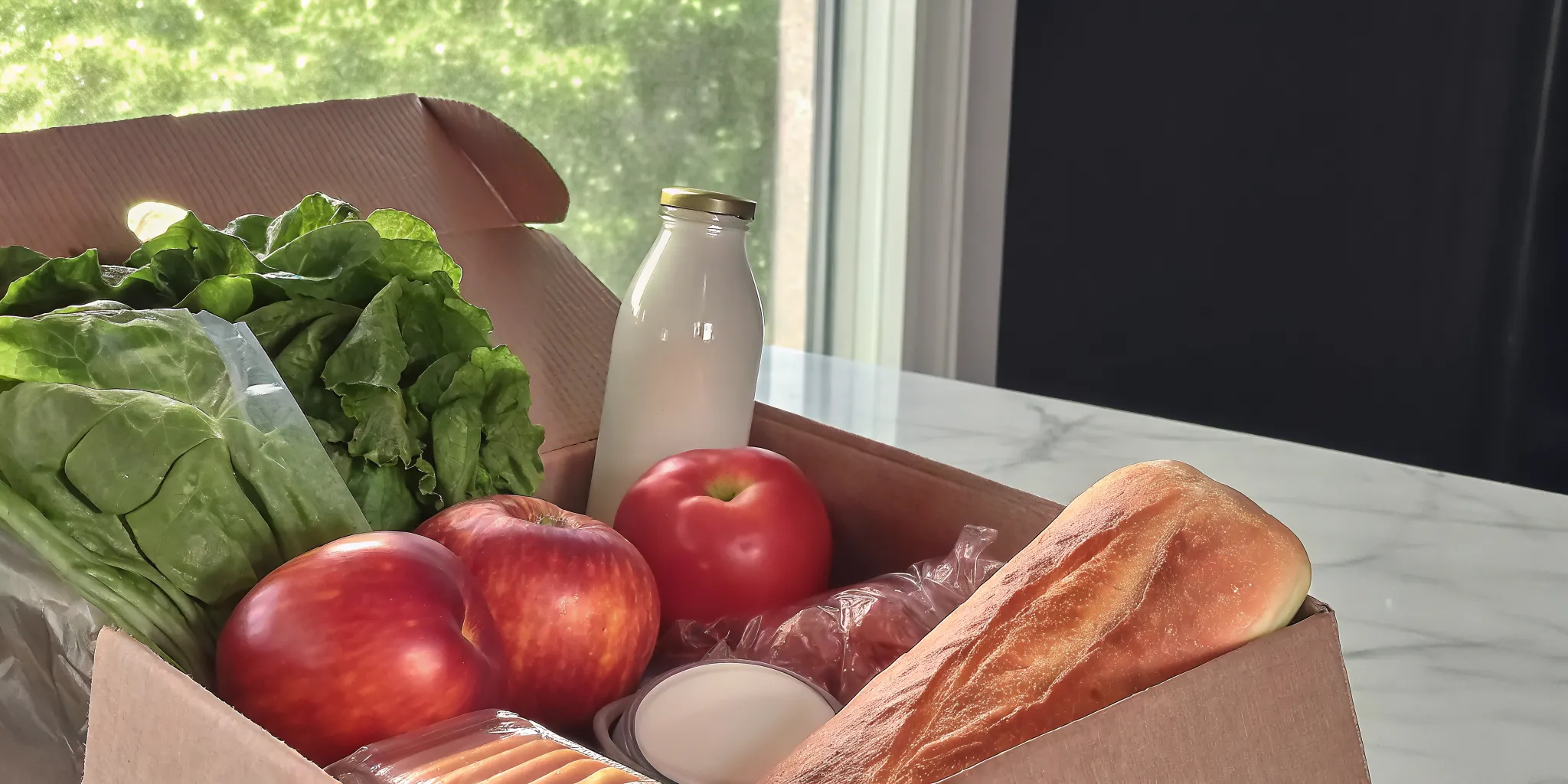
How Do Grocery Subscriptions Save Money? The Real Math
Find out how do grocery subscriptions save money by cutting impulse buys, reducing food waste, and making your grocery budget more predictable each month.


The modern grocery dilemma often feels like an impossible choice between three things: saving money, getting high-quality food, or enjoying convenience. It seems you can only ever pick two. Discount stores offer low prices but can lack in freshness. Premium markets have beautiful produce but can break the bank. And while delivery is convenient, it often comes with hidden fees and markups. But what if you didn’t have to compromise? The key to finding the best place to buy groceries is to look for a modern solution that rethinks the entire system. Let’s explore how you can get fair prices, incredible quality, and your weekends back, all at the same time.
Finding the right place to buy groceries feels a lot like dating. You’re looking for the perfect match: one that fits your budget, meets your standards for quality, respects your time, and always has what you need. With so many options out there, from big-box chains and discount grocers to local markets and online services, it’s easy to feel overwhelmed. But you don’t have to settle for a grocery experience that leaves you frustrated.
The key is to think about what matters most to you and your household. Are you focused on stretching every dollar? Or is finding the freshest, highest-quality produce your top priority? Maybe convenience is king, and you need a solution that saves you precious time each week. Most of us are looking for a balance of all three. By breaking down your personal grocery list of needs, you can move past the weekly grind and find a shopping routine that truly works for you. This isn't about finding the one "best" store, but about building a smart shopping strategy that makes your life easier and keeps your fridge full of food you love.
Let’s be real: for most of us, the price tag is a huge factor in where we shop. Your budget is the foundation of your grocery plan, so finding a store that aligns with it is step one. Some national chains are well-known for their low prices, while others cater to a premium market. The best way to see how they stack up is to compare the prices of items you buy every week, like milk, eggs, bread, and chicken. Keep an eye on weekly flyers and consider using a price-comparison app to spot the best deals. But remember, the cheapest option isn't always the best value. You also have to consider the quality of the food and how much time you're spending to get those deals.
You can’t build a great meal from sad-looking vegetables or questionable meat. If quality and freshness are at the top of your list, you’ll want to look for a grocer that takes pride in its fresh departments. Some stores are known for their beautiful produce sections and in-house butchers. A great indicator of quality is a commitment to sourcing from local Canadian farms, which often means fresher products that haven't traveled thousands of miles. For a truly reliable experience, services like Tre’dish deliver fresh, high-quality produce, meat, and dairy directly to you, ensuring you get top-tier groceries without having to inspect every item yourself.
Your time is valuable, and a two-hour grocery run can easily derail a busy day. A store’s location is a major part of the convenience factor. Is it on your way home from work? Does it have decent parking? Is it always packed on Saturday mornings? Beyond the physical trip, think about the shopping experience itself. A well-organized store that makes it easy to find things can save you a lot of time and frustration. And of course, the ultimate convenience is having your groceries come to you. Online shopping and delivery services can be a game-changer, letting you put your grocery list on autopilot and reclaim your weekends.
It’s incredibly frustrating to visit a store for five specific things and leave with only three. The best grocery store for you is one that consistently stocks the products your family loves and needs. This is especially important if you’re managing dietary restrictions or preferences. Whether you need gluten-free bread, organic snacks for the kids, or a specific brand of yogurt, a reliable inventory is key. Before committing to a store, do a quick check to see if they carry your must-have items. According to one study, a majority of online shoppers select items based on their health and nutritional goals, so having a good selection of healthy options is more important than ever.
Navigating the Canadian grocery landscape can feel like a full-time job. From the massive traditional supermarkets to the no-frills discount stores, each has its own set of pros and cons. Understanding how they differ is the first step to building a shopping strategy that saves you time and money without sacrificing the quality of food on your table. Let's break down the main players and what they offer.
You know these names well: Loblaws, Sobeys, Metro. They’re the convenient, one-stop shops that have everything from produce to pharmacy items. The biggest advantage here is selection and accessibility. You can find almost any brand you’re looking for, and there’s likely a location just a short drive away. However, that convenience comes at a price. Traditional supermarkets act as middlemen between you and the producers, which means you’re paying for their overhead, marketing, and retail markups. Newer grocery models are challenging this by working directly with suppliers to give you more transparency in grocery pricing. This approach helps you see where your money is really going.
Warehouse clubs like Costco have a loyal following for a reason. If you have a large family and ample pantry space, buying in bulk can offer significant savings on household staples, paper products, and non-perishables. You can get a great price per unit on basic items you know you’ll use. The catch? You need to pay for a membership, and it’s easy to overbuy, especially on fresh food that might spoil before you can finish it. It’s a great option for stocking up on certain things, but it might not be the most practical solution for your weekly fresh produce and protein needs, where quality and freshness are key.
For shoppers who prioritize specialty, organic, or unique items, stores like Whole Foods or local health food markets are a go-to. They excel at offering high-quality produce, ethically sourced meats, and products that cater to specific dietary needs. If you’re looking for a rare cheese or an exotic fruit, this is where you’ll likely find it. The downside is clear: the prices are considerably higher. These stores are fantastic for finding those special items you can’t get elsewhere, but doing your entire weekly shop here can quickly stretch your budget. Think of them as a great supplement to your regular grocery run, not necessarily the main event.
Discount chains like No Frills, Food Basics, and the grocery aisles of Walmart are champions of budget-friendly shopping. They keep prices low by cutting back on extras like elaborate displays and extensive customer service. Many smart shoppers find the best way to save is to visit different stores for different items, grabbing pantry staples at a discounter. While you can find incredible deals, you might have to compromise on selection, especially when it comes to fresh, high-quality produce and meats. It often means trading a premium shopping experience for lower prices, which is a valid choice depending on your priorities for that week’s shopping list.
Every smart shopper knows the goal isn't just to find the cheapest groceries, but to find the best quality food at a price that feels fair. It’s a balancing act that can feel tricky, but getting great value is a skill you can develop. It means knowing when to splurge on your favourite brand of coffee and when the generic brand of flour will do just fine. It’s about feeling confident that you’re filling your cart with fresh, delicious food without emptying your wallet.
Finding that sweet spot requires a little strategy. Instead of just grabbing what you need and heading to the checkout, you can learn to look at your grocery run with a more critical eye. By learning how to effectively compare prices, giving store brands a fair shot, and getting in sync with weekly sales cycles, you can take control of your grocery budget. These simple shifts in your shopping habits can lead to significant savings and a fridge full of food you feel great about. Let’s get into the practical ways you can make this happen.
In the past, comparing prices meant driving all over town or meticulously flipping through paper flyers. Today, technology makes it much easier to be an informed shopper. Digital flyer apps are a great starting point, allowing you to see weekly deals from multiple stores in one place. Some services are taking this even further. For example, Tre’dish offers a Transparent Pricing tool that shows you real-time price comparisons against major local retailers for specific items. This kind of tool removes the guesswork and shows you exactly where the value is. Taking a few minutes to do a quick comparison before you shop ensures you’re making decisions based on current data, not just old habits.
It’s the classic debate in every grocery aisle: stick with the familiar name brand or take a chance on the store brand to save a few dollars? The truth is, there’s no single winner. Many shoppers find that the best approach is to visit different stores for different items, mixing and matching to get the best quality and price on everything they need. Store brands have come a long way, and many are just as good as their big-brand competitors, especially for pantry staples like flour, sugar, and canned tomatoes. The best strategy is to experiment. Try the store-brand version of a product you buy often. You might be surprised to find you like it just as much and can pocket the savings.
Grocery store sales aren’t as random as they might seem. Most stores operate on a sales cycle, where different product categories are discounted on a rotating schedule. Paying attention to these patterns can help you save a lot. You can start by checking weekly ads and using your local store’s app to see what’s on special. Research from organizations like Consumer Reports has shown that comparing prices and shopping the sales are effective ways to lower your grocery bill. When you see a pantry staple your family loves go on sale, consider buying a few to last you until the next sale cycle. This simple habit of stocking up when the price is right helps you avoid paying full price later.
Shopping with specific dietary needs adds another layer to your grocery planning. Whether you’re managing an allergy, choosing organic, or simply trying to eat healthier, where you shop can make a huge difference. The right store won’t just have the products you need; it will make finding them simple and stress-free. Instead of spending hours reading labels in every aisle, you can find stores that specialize in what you’re looking for. This approach helps you get in and out faster while feeling confident about the food you’re bringing home. From dedicated health food stores to local markets, let’s look at where to find groceries that fit your lifestyle.
If you prioritize organic and natural foods, you know that quality can vary from store to store. Specialty chains are known for their extensive organic selections, but they often come with premium price tags. A great alternative is to check out the organic section at your local supermarket, which has likely grown a lot over the years. You can also find incredible, fresh organic produce at local farmers' markets. Getting to know the Canadian organic standards helps you understand the labels and make informed choices, no matter where you decide to shop.
Navigating a grocery store with a food allergy or intolerance requires a sharp eye. For anyone on a gluten-free, dairy-free, or low-sodium diet, finding safe and tasty options is the main goal. Many larger grocery stores now have dedicated "free-from" aisles that group these products together, which is a huge time-saver. Reading labels is still essential, so getting familiar with common food allergens and how they’re listed is key. Some smaller health food stores also specialize in allergen-friendly products, offering a curated shopping experience where you can feel more at ease.
For authentic ingredients and often unbeatable prices on fresh produce and meats, don’t overlook international grocery stores. These shops are fantastic resources whether you’re cooking a specific cuisine or just looking for high-quality staples. You can find vibrant produce, unique spices, and quality cuts of meat that you might not see at a conventional supermarket. Exploring a local Mexican, Asian, or Middle Eastern grocer can introduce new flavours into your cooking and help you stick to your budget. They are often community hubs filled with culinary inspiration and high-quality, fresh ingredients.
Eating healthy doesn’t always require a trip to a special store. A health-focused shopping trip is more about your strategy than the specific store you visit. The goal is to fill your cart with whole foods like fresh vegetables, fruits, lean proteins, and whole grains while limiting highly processed items. A simple trick is to shop the perimeter of most grocery stores, as that’s where the fresh, unpackaged foods are usually located. Following guidelines from Canada's Food Guide can help you build a balanced plate and make nutritious choices, no matter which grocery store you prefer.
The weekly grocery run is a ritual for many, but it’s not the only option anymore. Grocery delivery services have changed the game, offering a new way to stock your fridge and pantry. But how does it really stack up against a traditional trip to the store? Let's break down the key differences in cost, quality, and convenience to help you figure out which approach is the right fit for your life.
It’s a common assumption that convenience costs more, but that’s not always true. Subscription models can save you money by working directly with producers, cutting out the costs of a physical store. This means your average shopping cart could cost up to 25% less than at a traditional grocer. When you add the money saved on gas and impulse buys at checkout, the savings become clear.
Handing over your grocery list can feel like a leap of faith. Will they pick the best produce? Reputable delivery services know trust is everything and aim to deliver quality products you would have chosen yourself. With transparent pricing, you get the same quality you expect from top-tier grocers, not lesser alternatives. A direct shipping model also means your food arrives fresher than items that have been sitting on a store shelf.
Imagine getting back the hours you spend each week planning and shopping. A subscription service handles the repetitive parts for you. You can put your grocery needs on autopilot with a recurring order for staples like milk, eggs, and your favorite proteins. This removes the mental load of constant planning and ensures your kitchen is always stocked, saving you from last-minute store runs.
A grocery subscription is also a great way to support local producers. Many services collaborate directly with Canadian farms and vendors, bringing you fresh food while strengthening community ties. This partnership gives you a clearer picture of where your food comes from. Shopping local doesn’t mean less variety. With access to thousands of Canadian-made groceries, you can fill your cart with everything from farm-fresh produce to artisanal pantry staples.
Finding ways to trim your grocery bill doesn’t have to feel like a chore. With a few smart habits, you can make a real difference in your weekly spending without sacrificing the quality of the food you eat. These strategies work whether you’re shopping at your local supermarket, a big-box store, or a farmers market. It’s all about being intentional with how you plan, browse, and buy. By focusing on a few key areas, you can consistently save money and still fill your cart with fresh, delicious food for your family.
If you shop at the same stores regularly, signing up for their loyalty programs is one of the easiest ways to save. Think of it as a simple thank you from the store for being a repeat customer. These programs give you access to exclusive deals and promotions, and you’ll often find member-only pricing on everyday items, which adds up quickly. Just scan your card or app at checkout to make sure you’re getting the best price available on your purchases.
Gone are the days of clipping paper coupons; now, savings are right on your phone. Before you head out, take a few minutes to browse your grocer’s app for digital coupons and weekly deals. You can often “clip” them with a single tap, and they’ll be applied automatically at checkout. The best part is that digital coupons can often be stacked with in-store promotions, which means you can maximize your savings without much effort. Apps like Flipp are also great for comparing weekly flyers from different stores in one place.
One of the best ways to get top-quality produce at a great price is to shop with the seasons. When fruits and vegetables are in season, they’re at their peak freshness and flavour. Because they’re abundant, they’re also much more affordable. Shopping for seasonal produce not only ensures you get the freshest items but also helps you save money. Think crisp apples in the fall, juicy berries in the summer, and hearty root vegetables in the winter. Planning your meals around what’s currently in season is a simple and effective strategy for eating well while keeping your grocery budget in check.
Buying in bulk can be a fantastic way to save, but it requires a bit of strategy. It’s most effective for non-perishable items you use all the time, like pasta, rice, canned goods, and paper towels. For these staples, purchasing larger quantities often comes with a lower price per unit. However, it’s not always the best choice for perishable items unless you have a large family or a solid plan to use everything before it spoils. Before you commit, always check the unit price to confirm you’re actually getting a deal and make sure you have enough space at home to store your haul.
When you’re focused on getting the best value for your grocery budget, quality and freshness should be at the top of your list. After all, what good is a deal if the food spoils a day after you bring it home? Learning to spot the signs of a high-quality grocer helps you get more for your money and bring home food that is both delicious and nutritious. It’s about more than just a quick glance; it’s about understanding what to look for in key departments and recognizing the subtle cues that a store truly cares about its products and customers.
A store’s commitment to quality shows up in everything from the vibrant colors in the produce aisle to the cleanliness of the floors. It’s reflected in how they source their meat and dairy and whether they make an effort to support local producers. By paying attention to these details, you can become a more discerning shopper, confidently choosing a grocery store that consistently delivers the freshness your family deserves. Let’s walk through the four key areas to assess, so you can feel certain you’re shopping at a place that prioritizes quality.
The produce section is often the first impression a grocery store makes, and it speaks volumes about its standards. Look for fruits and vegetables with bright, vibrant colors and firm textures. A ripe tomato should feel heavy for its size, and leafy greens should be crisp, not wilted. Avoid anything with significant bruising, soft spots, or discoloration. A great produce department also offers variety, stocking a wide range of items to accommodate different tastes and dietary needs. A diverse selection shows that the store has reliable supply chains and is committed to providing fresh options for every customer.
When it comes to meat and dairy, freshness is directly tied to safety. Always check the "best before" or "packaged on" dates. For fresh meat, look for good color: beef should be a bright cherry-red, while pork and poultry should be pink. The packaging should be sealed tightly with no leaks. A store that caters to specific dietary guidelines, such as kosher, often has stricter quality controls for its meat and dairy products, which can be a great indicator of overall quality. In the dairy aisle, check that cartons and containers are intact and cold to the touch, ensuring they’ve been stored properly.
A clean and well-organized store is more than just a pleasant place to shop; it’s a strong signal of high operational standards. Clean floors, well-lit aisles, and tidy shelves suggest that the management pays attention to detail, which often extends to food handling and safety protocols. An organized layout also makes it easier to find what you need, especially when you’re focused on healthy eating. When fresh produce, lean proteins, and whole grains are displayed prominently and are easy to access, it shows the store is invested in helping its customers make nutritious choices. A little bit of order can go a long way in building trust.
A store’s commitment to sourcing from local Canadian producers is a huge indicator of quality. Local food travels a shorter distance from the farm to the shelf, which means it’s often fresher, retains more nutrients, and has a smaller environmental footprint. Look for signs that highlight local farms or products from your province. Stores that prioritize local sourcing are not only supporting the community’s economy but are also more likely to offer products that are in season and at their peak flavor. When you buy local food, you’re often getting a better, fresher product while investing in your own community.
We all have our go-to grocery shopping habits, but some of the most common beliefs about saving money can actually lead us to spend more. From assuming certain labels are always out of budget to thinking convenience is a luxury, these myths can quietly drain your wallet. Let's clear up a few of these misconceptions so you can make smarter choices on your next grocery run.
It’s easy to walk past the organic section assuming everything is double the price. While organic products can sometimes cost more, it’s not a hard and fast rule. The price gap between conventional and organic produce has been shrinking, and many stores offer competitive prices on their organic lines, especially for staples like carrots, spinach, and milk. The key is to shop selectively. Instead of writing off all organic options, compare the unit prices with their conventional counterparts. You might be surprised to find that the organic version is on sale or only slightly more expensive, making it a worthwhile investment in quality.
Many of us grew up thinking that name brands were always better, but that’s one of the oldest myths in the grocery aisle. Today, store brands (also called private labels) are serious contenders for quality. Many retailers partner with top-tier manufacturers to produce their in-house lines, meaning your generic canned tomatoes might be identical to the pricier brand-name version. Some stores have even built a loyal following around their unique and high-quality private label products. A great way to start is by swapping out simple pantry items like flour, sugar, or spices. You’ll likely notice the savings long before you notice any difference in quality.
Buying in bulk feels like the ultimate money-saving hack, but it can easily backfire if you’re not careful. A giant tub of spinach is no bargain if you end up throwing half of it away. Before you commit, you need an honest assessment of your household’s needs. Consider the membership fees, the storage space you have available, and whether you can realistically use everything before it expires. Bulk buying works best for non-perishable items you use constantly, like paper towels or rice. For fresh produce and proteins, buying only what you need for the week is often the smarter, less wasteful approach.
We often think of convenience as a luxury we have to pay extra for, but that isn't always the case. Think about the hidden costs of a traditional grocery trip: the gas to get there, the time spent wandering aisles, and all those little impulse buys that sneak into your cart. A well-designed grocery service can actually save you money by eliminating those factors. When your groceries are planned and delivered, you stick to your list, avoid temptation, and are less likely to order expensive takeout on a busy night. This kind of seamless grocery shopping puts you in control, turning convenience into a smart financial strategy.
If you’re serious about getting the best value and quality, you probably already know that one store rarely has it all. Creating a multi-store shopping plan is how many smart shoppers tackle their weekly grocery run. This means hitting the discount grocer for pantry staples, the local market for fresh produce, and maybe a bulk store for family-sized packs of snacks and paper towels. While this strategy can definitely pay off, it also requires a good amount of planning and energy to get right.
The goal is to build a system that gets you the best of everything, from price to freshness, without turning your weekend into a marathon of errands. It’s all about being intentional with where you shop and what you buy. By breaking down your grocery list by store, you can make sure you’re getting top quality for your fresh foods and the best prices on household basics. This approach puts you in control, but it’s a hands-on process that requires a solid routine to be sustainable. Let’s walk through how to build a multi-store plan that works for you.
The first step to a successful multi-store strategy is a solid plan. Before you even think about leaving the house, take a look at your master grocery list. Instead of seeing it as one long list for a single trip, start dividing it by store. Think about which stores excel in certain categories. For example, you might get your canned goods, pasta, and cereals from a discount grocer, but you prefer the quality of the meat and produce from a specialty market.
Many shoppers find that visiting different stores for different items is the best way to balance quality and price. By assigning items to specific stores before you shop, you create a clear roadmap for your errands. This simple habit helps you stay focused, avoid impulse buys, and ensure each trip is as efficient as possible. It turns a potentially chaotic task into a streamlined, strategic mission.
Once you know what you’re buying and where, it’s time to hunt for deals. This is where a little weekly homework pays off. Before you shop, take a few minutes to scan the digital flyers for your go-to stores. Apps like Flipp can make this process much faster by gathering all the local deals in one place. You might discover a great sale on chicken at one store and a stock-up price on your favourite coffee at another.
To make it even more efficient, consider combining a physical shopping trip with a delivery service. You could handle your fresh produce shopping in person while getting heavy, bulky items like drinks and canned goods delivered. This hybrid approach can save you time and a lot of heavy lifting. The key is to find a combination that maximizes your savings without costing you your entire Saturday.
A multi-store shopping plan only works if it’s sustainable. The secret to making it stick is to build it into a predictable routine. You don’t need to visit every store every single week. Instead, create a schedule that makes sense for your household. For instance, you could do a big monthly trip to a bulk store for non-perishables, a bi-weekly run to a supermarket for staples, and a quick weekly stop at a local market for fresh produce and dairy.
By setting a consistent schedule, you reduce the mental energy it takes to manage your groceries. You’ll know exactly what you need and where to get it, which helps you get in and out of stores faster. This turns your shopping plan from a series of one-off errands into a smooth, almost automatic system that consistently saves you money.
Juggling multiple stores, lists, and weekly flyers can save you money, but it’s important to ask yourself: what is my time worth? The effort of planning, driving, and shopping can add up quickly. Modern life is busy, and many of us are looking for a more seamless grocery shopping experience that gives us back our precious time without forcing us to compromise on quality or price.
This is where you can find a smarter balance. Consider which parts of your grocery list are the most repetitive. Things like milk, eggs, bread, and your go-to proteins are on the list every week. By automating the purchase of these core items with a grocery subscription, you can get high-quality, fairly priced essentials delivered right to your door. This frees you up to visit specialty stores only when you want to, not because you have to, giving you the perfect blend of convenience and control.
I want to save money, but visiting multiple stores sounds exhausting. Is there an easier way? You're right, a multi-store strategy can feel like a part-time job. A great way to find balance is to automate the most predictable parts of your grocery list. Think about the items you buy every single week, like milk, eggs, chicken, and bread. Using a grocery subscription for these staples ensures you get high-quality essentials at a fair price without the weekly effort. This frees you up to visit a local market or specialty store only when you want to for unique items, not because you have to restock the basics.
I've always thought grocery delivery was a luxury. Is it actually more expensive than shopping in-store? That’s a common assumption, but it’s not always the case. When you shop in a store, you're paying for hidden costs like the store's rent and marketing, not to mention your own gas and time. Some modern grocery services work directly with producers, which cuts out the middleman and can lead to significant savings. When you factor in the elimination of impulse buys at the checkout, you might find that a well-planned delivery service is actually friendlier to your budget.
How can I trust someone else to pick my fresh produce and meat? This is a completely valid concern because no one wants a sad-looking avocado. Reputable delivery services understand that their entire business is built on trust and quality. They have high standards for freshness and often source directly from farms, meaning your food has spent less time on a truck or a shelf. Look for services that are transparent about where their food comes from and stand by the quality of what they deliver.
What's more important: saving money, getting high-quality food, or convenience? The honest answer is that it depends entirely on you and your household's priorities. The good news is that you shouldn't have to make a hard choice between the three. The goal is to find a grocery solution that lands in the sweet spot, offering fresh, high-quality food at a fair price in a way that genuinely makes your life easier. It’s about finding a smart balance that works for your budget and your schedule.
Does shopping seasonally really make a big difference in my grocery bill? Yes, it absolutely does. Shopping for produce that is in season is one of the simplest and most effective ways to save money and get better-tasting food. When fruits and vegetables are in season, they are at their peak of supply, which drives the price down. You're getting a fresher, more flavorful product for less money. Planning your meals around what’s in season is a smart habit that pays off with every trip.